Understanding your treatment options to make an informed decision about your dental health
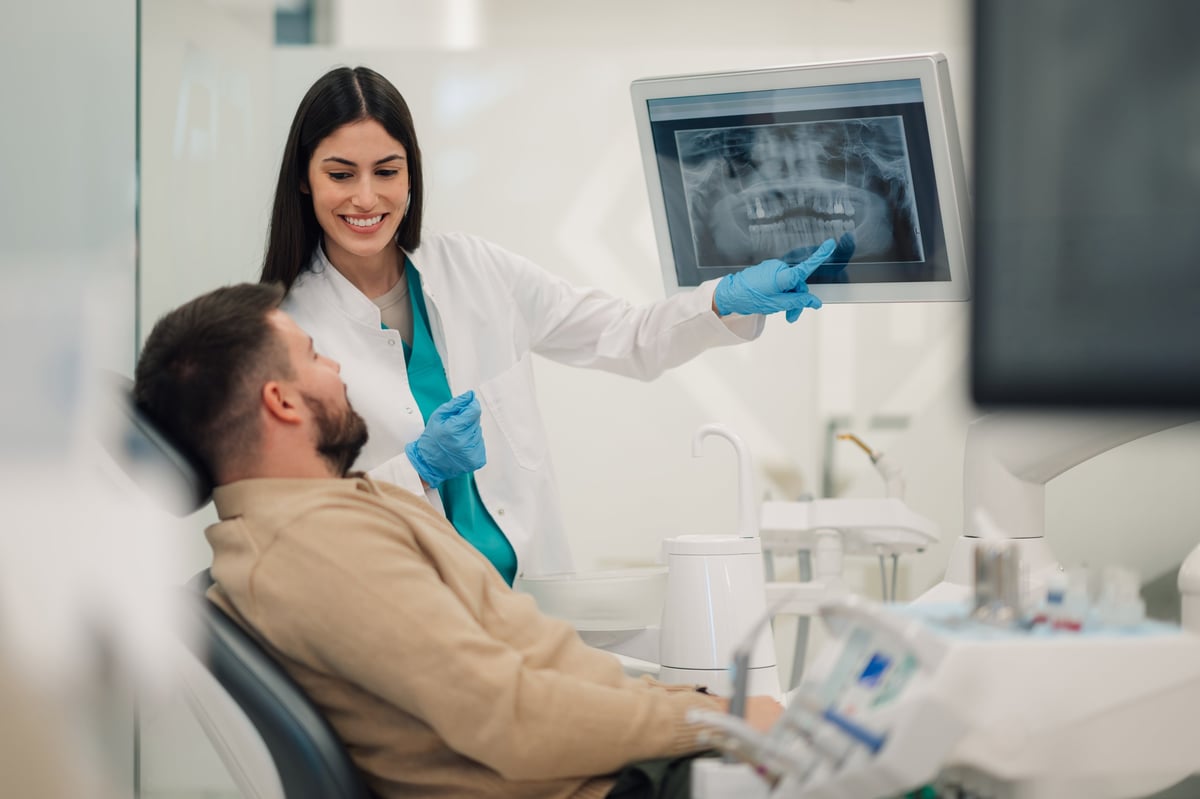
Tooth pain can sometimes make everyday activities like eating, drinking, or sleeping uncomfortable. When a tooth becomes damaged or infected, patients are often unsure whether they may need a root canal treatment or a tooth extraction.
The right treatment depends on several factors, including the condition of the tooth, the level of infection, and the long-term health of the surrounding teeth and gums.
If you're searching for guidance on root canal or tooth extraction in Underwood, understanding the differences between these treatments may help you feel more informed before visiting your dentist.
At My Dental Home, we support patients across Underwood, Logan, Springwood, Rochedale, Eight Mile Plains, Slacks Creek, and Brisbane Southside with general, preventative, and emergency dental care.
A root canal treatment is a dental procedure used to treat infection or damage inside the tooth. The treatment focuses on removing infected tissue from within the tooth while preserving the natural tooth structure where appropriate.
After cleaning the inside of the tooth, the area is sealed to help protect it from further infection.
In many cases, preserving the natural tooth may help maintain normal chewing function and alignment. You can learn more about how this treatment works on our root canal treatment in Underwood service page.
A tooth extraction involves removing a tooth that may be severely damaged, heavily decayed, cracked beyond repair, or affecting surrounding oral health.
Following extraction, your dentist may discuss replacement options if appropriate, such as bridges, implants, or other restorative solutions. You can learn more about dental crowns and bridges in Underwood if you're weighing up how to restore a damaged or missing tooth.
Patients experiencing dental infection or severe tooth damage may notice symptoms such as:
Important: These symptoms do not automatically mean extraction is required, but they may indicate that professional assessment is needed.
When determining whether a tooth may benefit from root canal treatment or extraction, dentists usually consider:
If enough healthy tooth structure remains, saving the tooth may be possible.
The severity and location of infection can influence treatment recommendations.
Preserving natural teeth is often preferred where clinically appropriate, as this may support bite function and surrounding tooth stability.
Your dentist may also consider:
Each patient situation is different, which is why personalised dental assessment is important.
Where clinically suitable, maintaining a natural tooth may help:
Maintain natural bite function
Prevent adjacent teeth from shifting
Keep natural bite structure
Avoid future restorative procedures
However, there are situations where extraction may be the more appropriate option for long-term oral health. Your dentist can explain the benefits and considerations of each treatment option based on your individual condition.
Patients experiencing ongoing tooth pain, swelling, or signs of infection should consider arranging a dental appointment for assessment.
It may be helpful to contact a dentist if you notice:
Patients searching for severe tooth pain treatment or an emergency dentist in Underwood often seek care when symptoms begin affecting daily comfort.
Good preventative care may help reduce the risk of infection and tooth damage.
Routine visits help detect issues early
Small fillings prevent larger problems
Brush and floss daily
Protect teeth from impact injuries
Prompt care prevents complications
Preventative dentistry plays an important role in supporting long-term oral health for families across Brisbane Southside.
Dentists usually assess the condition of the tooth, extent of infection, and whether the tooth can be predictably restored.
Both treatments serve different purposes. Where possible, preserving a natural tooth may be beneficial, but extraction may sometimes be necessary depending on the tooth's condition.
Tooth pain may have several causes, including infection, decay, cracks, or inflammation. A dental assessment is the best way to determine the cause.
Untreated dental issues may worsen over time and can potentially affect surrounding teeth and gums.
If you experience severe pain, swelling, facial discomfort, or sudden tooth damage, it's recommended to contact a dentist promptly.
Contact My Dental Home today to schedule an assessment and discuss whether root canal treatment or tooth extraction may be right for you.
Serving Underwood, Logan, Springwood, Rochedale, Eight Mile Plains, Slacks Creek & Brisbane Southside