Save an infected tooth from extraction
When the soft tissue inside a tooth becomes infected, root canal treatment can often save your natural tooth, relieve pain and restore your oral health without the need for extraction.
Root canal treatment is recommended when the pulp inside a tooth becomes infected or inflamed. This may happen due to deep decay, a cracked tooth, repeated dental procedures or dental trauma.
Treating the infection early can relieve discomfort and often allows your natural tooth to be preserved, avoiding the need for extraction.
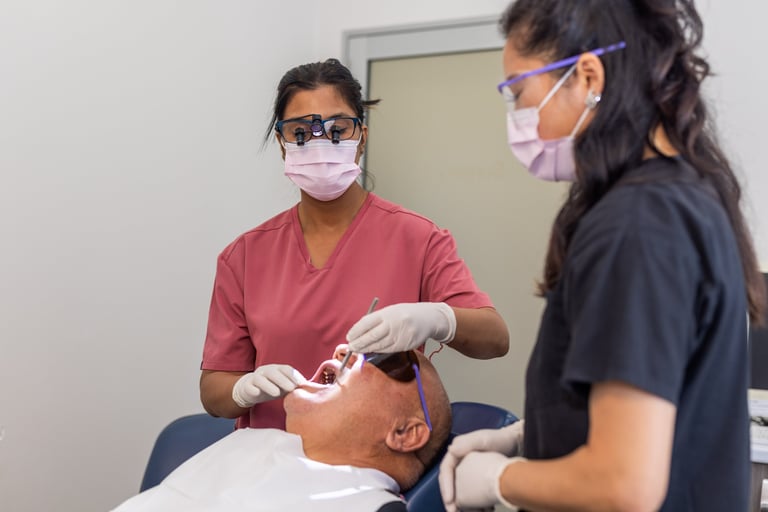
Root canal treatment removes infected or damaged tissue from inside the tooth before carefully cleaning, disinfecting and sealing the root canals. Once the tooth has healed, it is often protected with a custom dental crown to restore its strength and function.
Saving your natural tooth is usually the preferred option whenever possible, helping you maintain normal chewing, speech and smile aesthetics.
You should arrange an assessment if you experience:
Sometimes an infected tooth causes very few symptoms, which is why regular dental examinations and X-rays remain important for early diagnosis.
Your dentist will first assess the affected tooth to determine whether root canal treatment is appropriate. If treatment is recommended, the process involves removing the infected tissue, cleaning and sealing the tooth, and restoring it to help protect its long-term function.
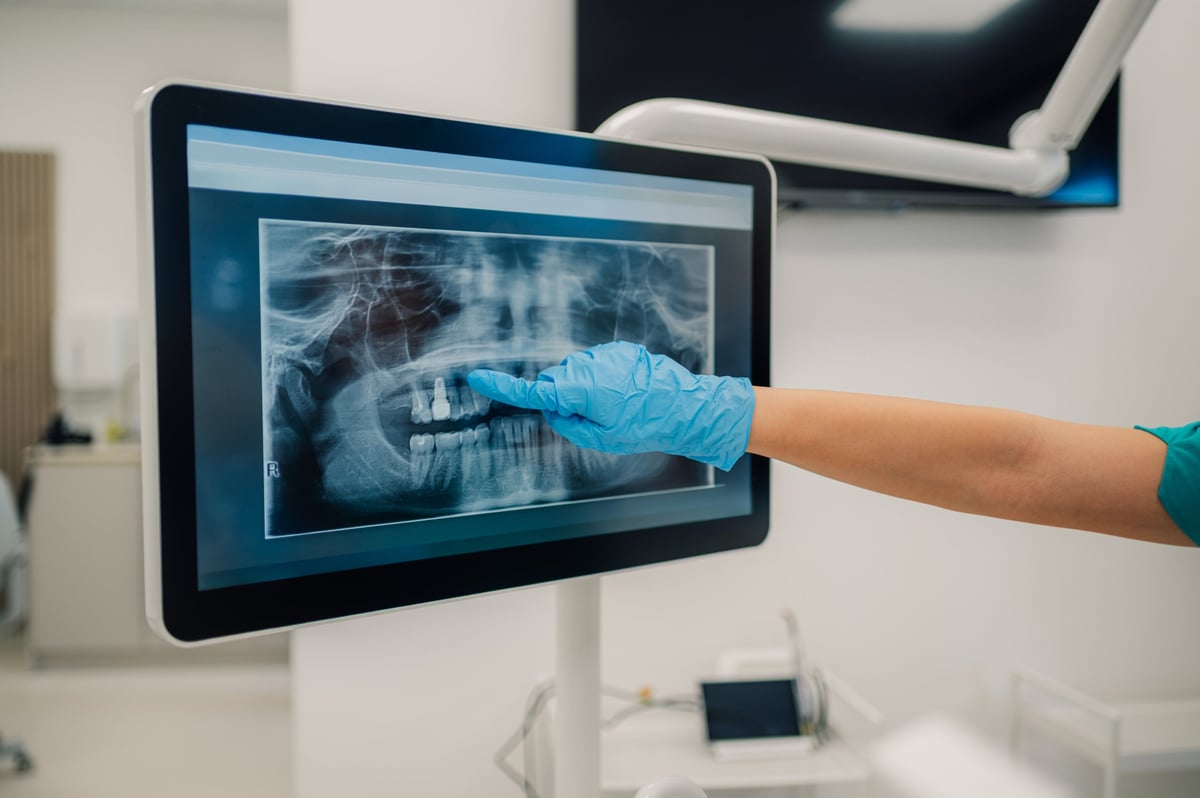
We'll examine the tooth, discuss your symptoms and take digital X-rays to determine whether root canal treatment is the most appropriate option.
After numbing the area, the infected pulp is carefully removed and the root canals are thoroughly cleaned and disinfected.
The cleaned canals are sealed to help prevent future infection.
In many cases, a dental crown is recommended to strengthen and protect the treated tooth for long-term function.
Persistent tooth pain rarely improves on its own. Early assessment allows us to diagnose the problem, relieve discomfort and determine whether your tooth can be saved with root canal treatment.
If the tooth cannot be restored, extraction may be recommended instead. During your consultation, we'll explain all suitable treatment options and help you make an informed decision based on your oral health.
Most patients return to their normal routine the following day. It's common to experience mild tenderness for a few days, particularly when chewing, but this usually settles as the area heals.
Following your dentist's instructions and attending any recommended follow-up appointments will help ensure the best long-term outcome.
We understand that many patients feel anxious about root canal treatment. Our experienced team focuses on gentle care, clear communication and modern techniques to make your treatment as comfortable as possible while helping preserve your natural tooth.
This is one of the most common questions patients ask.
Yes, in many cases. Root canal treatment is specifically designed to remove infection while preserving the natural tooth. Saving the tooth often provides a more functional and cost-effective long-term outcome than extraction followed by tooth replacement.
If the tooth is too badly damaged to restore, we'll explain your alternatives, including dental implants, bridges or dentures, so you can make an informed decision.
Book your appointment today
Shop 7, 11/21 Kingston Rd
Underwood QLD 4119, Australia
Tue: 9am – 2:30pm
Wed: 9am – 3pm
Thu: 9am – 4pm
Mon,
Fri, Sat & Sun: Closed
Common questions about root canal treatment
The cost of root canal treatment in Australia can vary depending on factors such as the tooth being treated, the complexity of the root canal system and whether additional treatment, such as a dental crown, is required.
Following an examination and X-rays, we'll explain the recommended treatment and associated costs before treatment begins.
Root canal treatment removes infected tissue from inside a tooth, helping relieve pain and preserve the natural tooth rather than removing it.
Modern root canal treatment is performed using local anaesthetic, making the procedure similar in comfort to having a dental filling. Mild tenderness afterwards is normal and usually settles within a few days.
Persistent tooth pain, swelling, prolonged sensitivity to hot or cold, pain when biting or a darkened tooth may all indicate that root canal treatment is needed. A dental examination and X-rays are required to confirm the diagnosis.
Treatment may be completed in one or two appointments, depending on the condition of the tooth and the extent of the infection.
Many back teeth benefit from a dental crown after root canal treatment because it helps restore strength and reduces the risk of the tooth cracking.
With good oral hygiene and regular dental check-ups, a root canal treated tooth can often last for many years.
In many cases, preserving your natural tooth is the preferred option because it maintains normal function and helps avoid more complex tooth replacement treatments.
Send us a message and we'll get back to you shortly
Thank you for reaching out. We'll be in touch soon.