How to Clean a Night Guard Without Damaging It
A simple daily routine, what to avoid, and when to ask your dentist
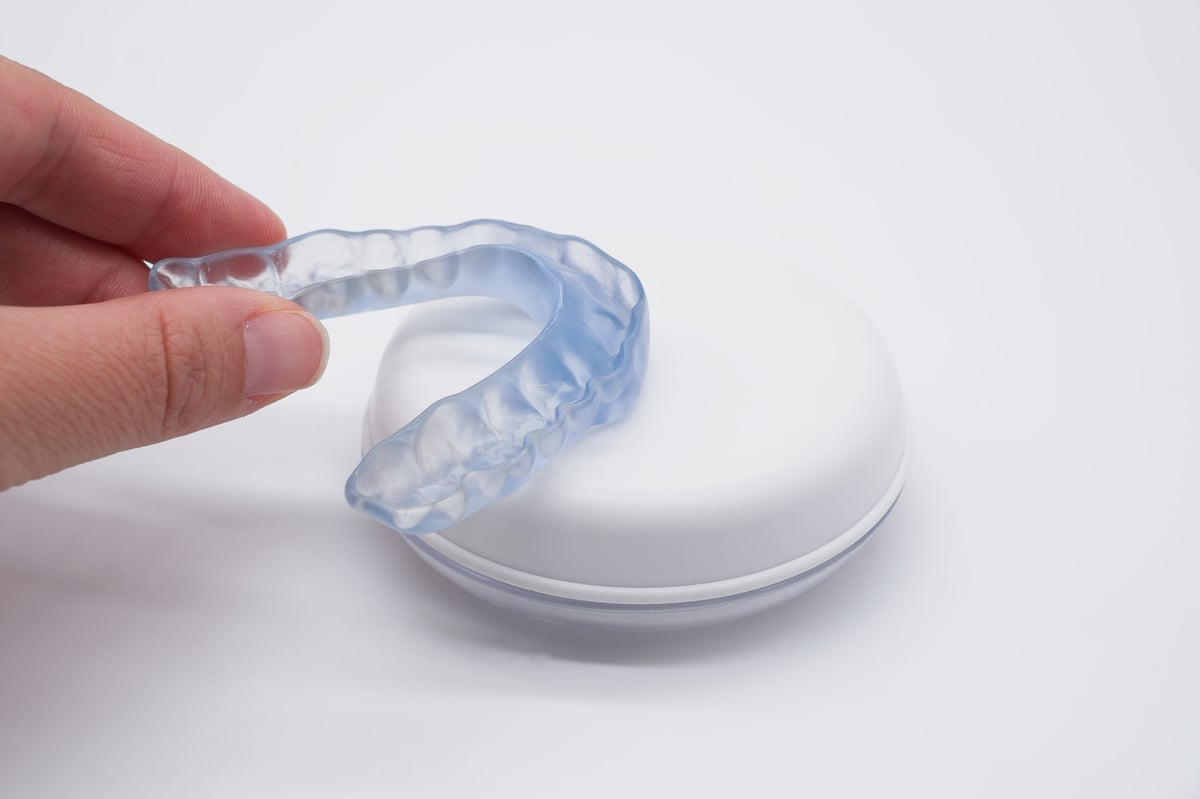
A night guard needs regular cleaning, but the right products depend on what it is made from. Start with the care instructions supplied by your dentist. If you have lost them, ask for another copy before trying a soaking solution or a home cleaning recipe.
For many appliances, a daily rinse and gentle brushing with cool water form the basic routine. Manchester University NHS Foundation Trust recommends cleaning a dental splint daily when it is removed, using a brush and water. Your own appliance instructions take priority. Read the NHS dental splint care leaflet.
If you are unsure which appliance you have, our guide to night guards and dental splints explains their purpose and what an assessment involves.
A Daily Night Guard Cleaning Routine
Keep your written instructions beside your cleaning supplies until the routine feels familiar.
Rinse after removal
Use cool water to wash away loose residue.
Brush gently
Use a separate, soft toothbrush to reach the inner and outer surfaces. Avoid vigorous scrubbing.
Use only an approved cleaning product
If your dentist has recommended a particular soap or cleaner, use it as directed. Otherwise, check before adding one.
Rinse thoroughly
Remove any cleaning product before the appliance goes back into your mouth.
Store as instructed
Follow the drying and storage directions for your particular guard.
The Australian Dental Association's general splint advice includes cool water, a spare toothbrush and soft liquid soap, with dry storage in a protective case. This is useful general guidance, but some manufacturers specify a different method. See the ADA's advice on occlusal splints.
Why Cleaning Instructions Can Differ
A product labelled "denture cleaner" or "retainer cleaner" is not automatically suitable for every night guard. Ask your dentist to confirm compatibility with your appliance and, if soaking is recommended, the product, concentration, water temperature and time.
For example, Glidewell's instructions for its Comfort Stabilizer bite splint specify cool water and a soft toothbrush, and exclude toothpaste, denture cleanser, mouthwash, alcohol and hydrogen peroxide. These are instructions for that particular device; they do not identify the material or brand of your guard. Read the manufacturer's cleaning instructions.
Can You Use Toothpaste, Mouthwash or Hot Water?
Toothpaste: check first
Oral-B's cleaning guidance warns about scratching and specifies a non-abrasive paste if toothpaste is used. Some manufacturers prohibit toothpaste altogether. Keep your usual toothpaste for your teeth unless your dentist confirms it is suitable for your guard. Read Oral-B's night guard cleaning guidance.
Mouthwash and home remedies
Do not assume that a product suitable for rinsing your mouth is suitable for soaking an appliance. Check your supplied instructions before using mouthwash, peroxide, vinegar or cleaning tablets. Avoid mixing cleaning products.
Hot water
Avoid boiling water and heat-based cleaning unless your appliance's instructions expressly require a particular fitting procedure. Do not improvise a heat treatment to reshape a guard that has become uncomfortable.
- Boiling water or hot rinses
- Denture cleanser unless your instructions allow it
- Mouthwash, peroxide, vinegar or cleaning tablets without checking
- Mixing different cleaning products together
- Heating a guard to reshape it yourself
What If Your Night Guard Smells or Has White Build-Up?
If your normal cleaning routine is no longer working, ask your dentist to inspect the guard. Describe the problem: a persistent smell, a rough patch, a cloudy surface or a deposit that brushing will not remove. Bring the appliance and the products you use so the team can review both.
Rather than trying progressively stronger cleaners, ask:
- What material is my guard made from?
- Is the deposit removable without damaging it?
- Which cleaning product is suitable, and for how long?
- Does the fit or condition need attention?
You can bring your appliance to a dental check-up in Underwood. Mention the concern when booking so the team knows you would like it reviewed.
When Should You Stop Wearing It and Contact Your Dentist?
Contact your dentist if the guard breaks, develops a sharp edge or no longer fits comfortably. Do not glue a broken splint yourself. The NHS splint leaflet advises patients to stop wearing a broken appliance and contact the supplying dentist.
Changes to your teeth can also affect the fit. The ADA recommends taking your splint to routine examinations and notes that treatment such as a new crown may mean it needs adjustment or replacement. Cleaning cannot correct a fit problem.
- The guard cracks, breaks or develops a sharp edge
- It no longer fits comfortably or sits differently
- You have had dental treatment such as a new crown
- A deposit or smell persists despite correct cleaning
If you are in pain or the appliance has caused injury, see an emergency dentist in Underwood promptly.
Is Cleaning a Sports Mouthguard the Same?
A sports mouthguard and a night guard have different jobs. Check the instructions for each rather than sharing one care routine automatically.
For sports mouthguards, the ADA recommends cool water and liquid hand soap, a protective case, and keeping the guard away from boiling water and sunlight because heat can change its shape. See the ADA sports mouthguard factsheet.
Our sports mouthguard information covers fitting and replacement for children and adults.
Night Guard Care Checklist
- Keep a copy of your appliance's care instructions
- Set aside a soft brush for the guard
- Clean it after use using the approved method
- Check before trying a new cleaner or soaking routine
- Follow its storage instructions and keep the case clean
- Bring it to reviews and report damage or a change in fit
Local Dental Support in Underwood
At My Dental Home, we support patients across:
If your guard is difficult to clean or feels different, our team can review it and advise on the right care for your appliance.
Frequently Asked Questions
Check your appliance instructions first. Some manufacturers allow only a non-abrasive paste, and others prohibit toothpaste altogether because it can scratch the surface.
Not automatically. Denture or retainer cleaners aren't suitable for every night guard. Ask your dentist to confirm which product, concentration and soaking time is appropriate for your appliance.
Avoid boiling or hot water unless your instructions expressly require it, as heat can distort some appliances.
Bring the guard and the products you use to your dentist for review — a persistent smell or white build-up may need a different cleaning method or a replacement.
No. Stop wearing a broken appliance and contact your dentist. Do not glue or repair it yourself.
Need help with your night guard in Underwood?
My Dental Home is at Shop 7, 11/21 Kingston Road, Underwood. If your guard is difficult to clean or feels different, our team can arrange an assessment — bring the appliance and any care instructions you have.